



 Back to the blog
Travel
How to pack a suitcase: what to bring and whether vacuum bags help
What you can't forget, how to pack for the weather, the 2026 rules on liquids and power banks, and the honest pros and cons of space-saving bags.
The short answer: take less than you think, pack in layers and leave room for the way home. Most of us carry things we never take out of the bag: in a UK survey, three in four travellers said they pack things they don’t use. Here is how we pack, what changed at airports in 2026, and whether space-saving bags are really worth buying.
What you can’t forget
The most important thing: a power bank. On a trip your phone is your boarding pass, your map, your wallet and your way to ask for help. If it dies at the airport or in a city you don’t know, everything gets harder. Bring it charged and always in your hand luggage, never in your checked bag. The new rules are below.
- Documents: a valid passport, tickets, bookings and travel insurance, saved on your phone and printed. Email yourself a photo of your passport: if you lose it, the copy helps a lot at the embassy.
- Medication: in its original packaging, with your prescription. If you take controlled medication (for sleep, anxiety, ADHD or strong pain), ask your doctor for a letter in English and check the rules of the country you are visiting.
- Plug adapter: most of mainland Europe uses types C and F; the UK, Ireland and Malta use type G. The current is 230 V, so check that your charger says “100–240 V”. A 110 V hairdryer or straightener from the US or Canada will not work.
Hand luggage: the rules that changed
Liquids
At most airports the usual rule still applies: containers of up to 100 ml inside one clear 1-litre bag. That is the case in Madrid and Barcelona, for example, and at most UK airports. Some airports with new scanners now allow containers of up to 2 litres (Dublin, Heathrow and Gatwick, among others), but every airport is different, and it can even change from lane to lane.
Pack for 100 ml. Even if your departure airport has the new scanners, your return flight or a connection may not. Liquid medicines can go through in larger amounts if you carry the prescription.
Batteries and power banks
- Hand luggage only, never in checked bags.
- Since 27 March 2026, international aviation rules allow a maximum of 2 power banks per person, of up to 100 Wh each, and you cannot charge them during the flight.
- How many Wh is yours? Multiply the mAh by the voltage and divide by 1,000. A 20,000 mAh power bank at 3.7 V is about 74 Wh.
- If yours is bigger, ask your airline before you fly.
Cabin bag sizes
Budget airlines charge a lot at the gate if your bag is too big. These are the sizes they publish today:
| Airline | Free bag (under the seat) | Cabin suitcase |
|---|---|---|
| Ryanair | 40 × 30 × 20 cm | 55 × 40 × 20 cm, 10 kg, Priority only |
| Wizz Air | 40 × 30 × 20 cm, 10 kg | 55 × 40 × 23 cm, 10 kg, with WIZZ Priority |
| easyJet | 45 × 36 × 20 cm, 15 kg | 56 × 45 × 25 cm, 15 kg, paid extra |
| Vueling | 40 × 30 × 20 cm | 55 × 40 × 20 cm, 10 kg (not in the most basic fare) |
| Iberia | 40 × 30 × 15 cm | 56 × 40 × 25 cm, 10 kg in economy |
Measure your bag full, not empty. And check your fare before you fly: what is included depends on what you bought.
How to pack for the weather
The key is layers: a base layer (a thermal or quick-dry top), a warm mid layer (a wool or fleece jumper) and an outer layer that keeps out wind and rain. The same clothes then work for a cold day and a mild one.
- Cold: wear your coat and heaviest boots on the plane, so they take up no space or weight in your bag. Two or three merino base layers last several days because they barely hold smells. A hat, gloves and a scarf take little room and make a big difference.
- Hot: light clothes in neutral colours that all go together, sun cream, a cap and sunglasses. If you will visit churches, bring something that covers your shoulders and knees.
- Rain: a packable waterproof jacket with a hood, shoes that won’t soak through, quick-dry clothes and a bag for wet shoes and cables.
- Mixed weather: pack for the most likely weather, not the worst. Layers solve almost everything, and you can buy what you are missing there.
A good way not to overpack is the 5-4-3-2-1 formula: 5 tops, 4 bottoms, 3 pairs of shoes, 2 warm layers (a jacket and a jumper, for example) and 1 set of accessories. If you can do laundry on the way, it lasts for several weeks.
Fold, roll or use cubes?
In a 2026 test by the UK consumer group Which?, the same clothes went into the same suitcase with four methods. Folding fitted the most items (129), then rolling (121), compression cubes (118) and vacuum bags (113). Rolling does crease less and works better in backpacks and soft bags.
What works best for us:
- Heavy things at the bottom, on the wheel side: shoes, a big wash bag, books.
- Shoes in a bag, with socks stuffed inside to use the space.
- The liquids bag on top, so you can take it out quickly at security.
- Cubes or bags by type of clothing: underwear in one, tops in another. You find everything without unpacking.
- A foldable bag for souvenirs on the way home.
Space-saving bags: do they work?
Yes, but not for everything. There are three types:
| Type | How it works | Pros | Cons |
|---|---|---|---|
| Vacuum bags with a pump | You suck the air out with a pump or a vacuum cleaner | They shrink coats and jumpers a lot | You need the pump on the way back too; they crease; valves wear out |
| Roll-up bags (no pump) | You roll the bag and the air escapes through a valve | Nothing else needed; light | They crease, and you have to roll them again every time you take something out |
| Compression packing cubes | A packing cube with a second zip that flattens it | Organise and compress a little; less creasing | Hard to close if overfilled; compress less than vacuum bags |
The most important thing almost nobody tells you:
- They save space, not weight. Because more fits, it is very easy to go over the weight limit and pay for it. Weigh your bag before you leave.
- Use them for bulky clothes: padded jackets, jumpers, wool cardigans, pyjamas. Not for shirts, linen or anything you want crease-free.
- Don’t keep down jackets compressed for months: they lose their loft. Only while you travel.
- Security may open them. Pack them in checked luggage or keep them easy to inspect.
The ones I bought
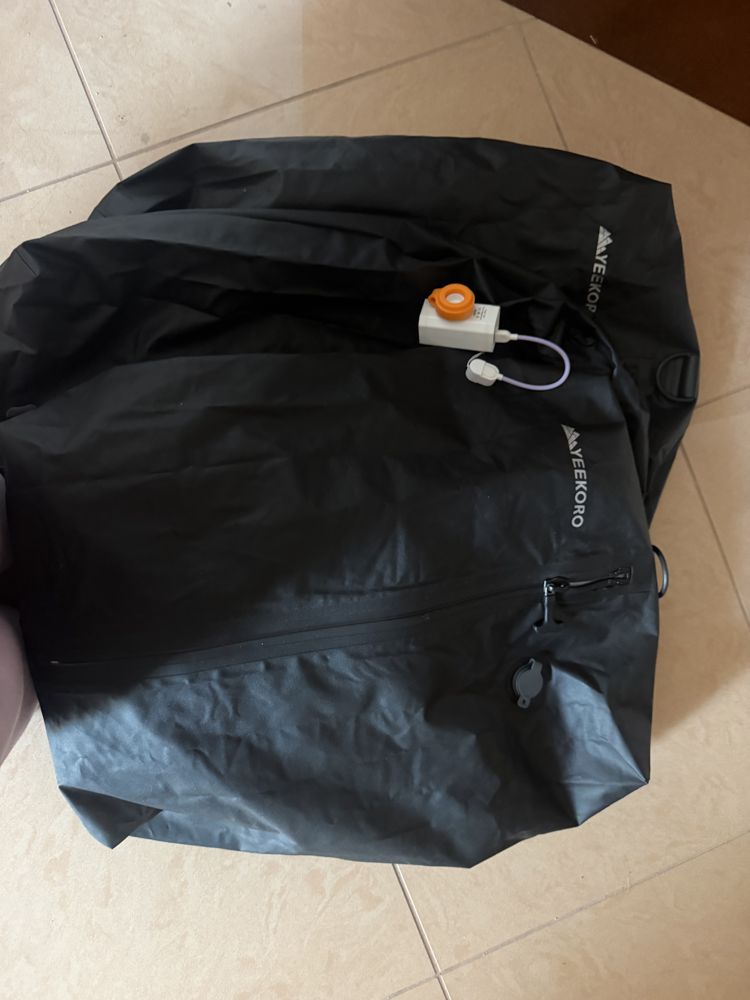
I use a vacuum travel bag by YEEKORO. You pack your clothes, close the zip, and a small electric pump that clips onto the valve takes the air out.
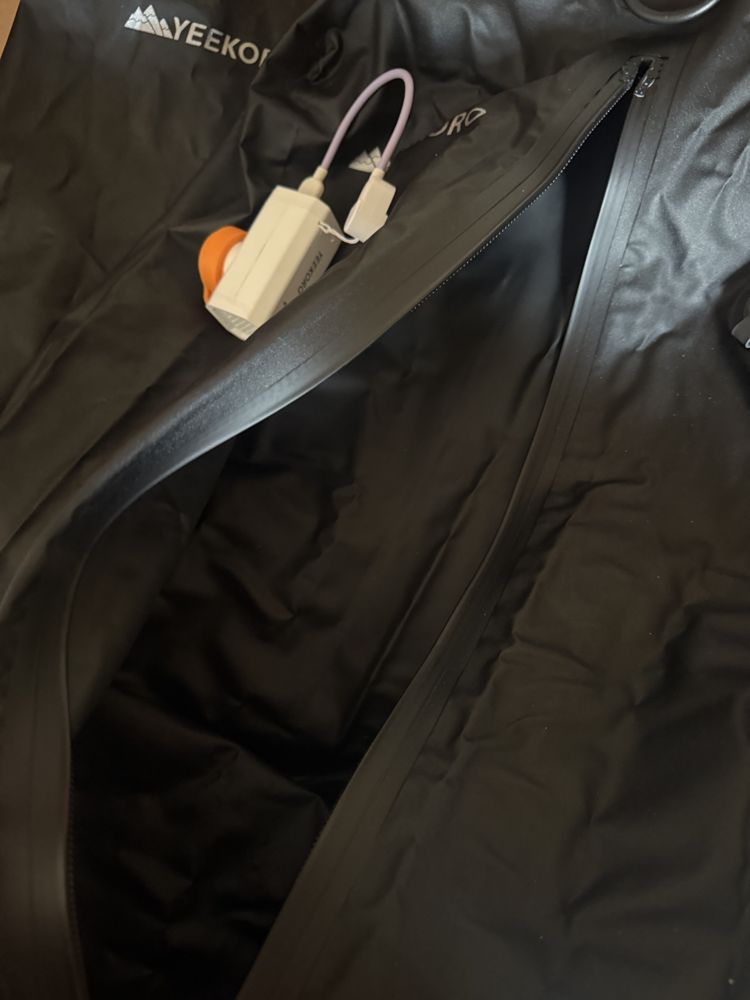
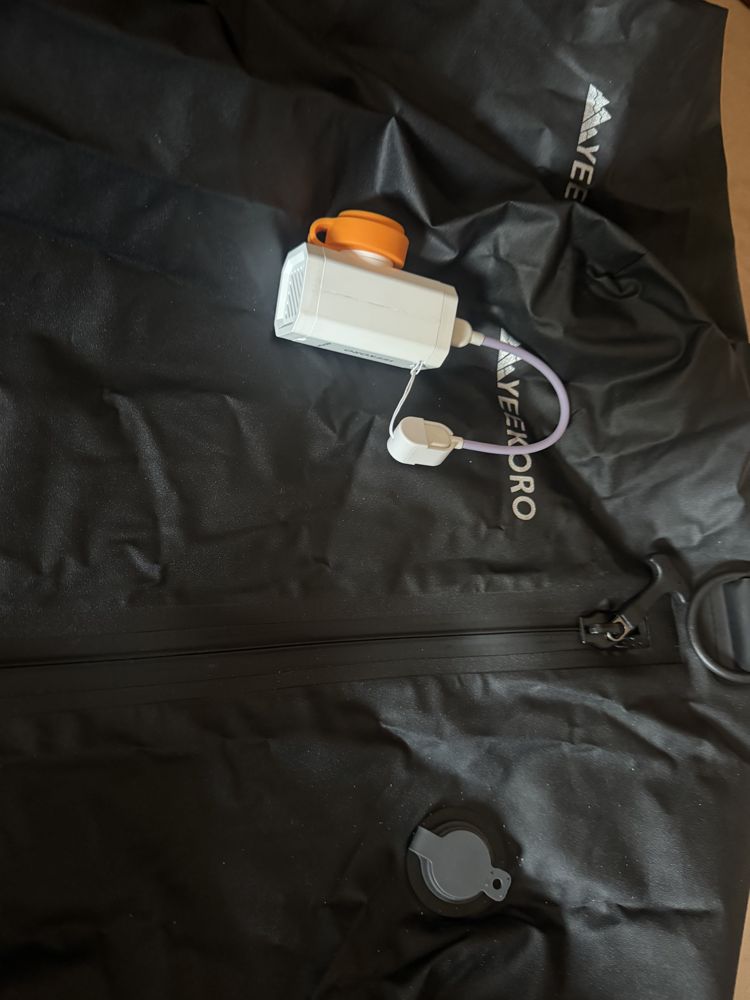
Before you buy it, check the measurements against your suitcase. If the bag is bigger than the suitcase you will have to fold it: it still works, but you lose space. Ideally they are the same size so it fits snugly.
👉 See the YEEKORO bag on Amazon
As an Amazon Associate, Canelith earns from qualifying purchases, at no extra cost to you.
What almost nobody uses
In the same survey, the things that most often come home unused were: a big first-aid kit, smart clothes, an umbrella, books, formal shoes, a hairdryer, an iron and towels. Before you pack something, ask yourself: will I use it at least three times? If not, you can probably buy it there if you need it.
Canela’s tip: pack your bag the day before, leave it open, and the next morning take out three things. You will never miss them.
Plan the whole trip
If you are going to Rome, Barcelona, Seville, Vienna, Zagreb, Malta or Albania, have a look at our travel guides, now with an English edition.
Sources, checked in October 2026: GOV.UK (liquids rules), Aena (hand luggage at Spanish airports), Dublin Airport, IATA (lithium batteries), each airline’s baggage page, Which? (packing test, August 2026) and InsureandGo (2024 survey). Rules change: check with your airline and airport before you travel.